Welocome to Contact Kican

Welocome to Contact Kican
Blog
Welding and Assembly Techniques for Heavy-Duty Hydraulic Cylinders
Customized hydraulic cylinders are essential in many industries. They provide the power needed for heavy machinery. However, the welding and assembly processes for these cylinders are complex. Poor techniques can lead to failures, resulting in costly repairs and downtime. Many manufacturers struggle with proper quality control, which can compromise the durability of hydraulic systems. Recognizing the importance of effective welding and assembly techniques can help mitigate these issues.
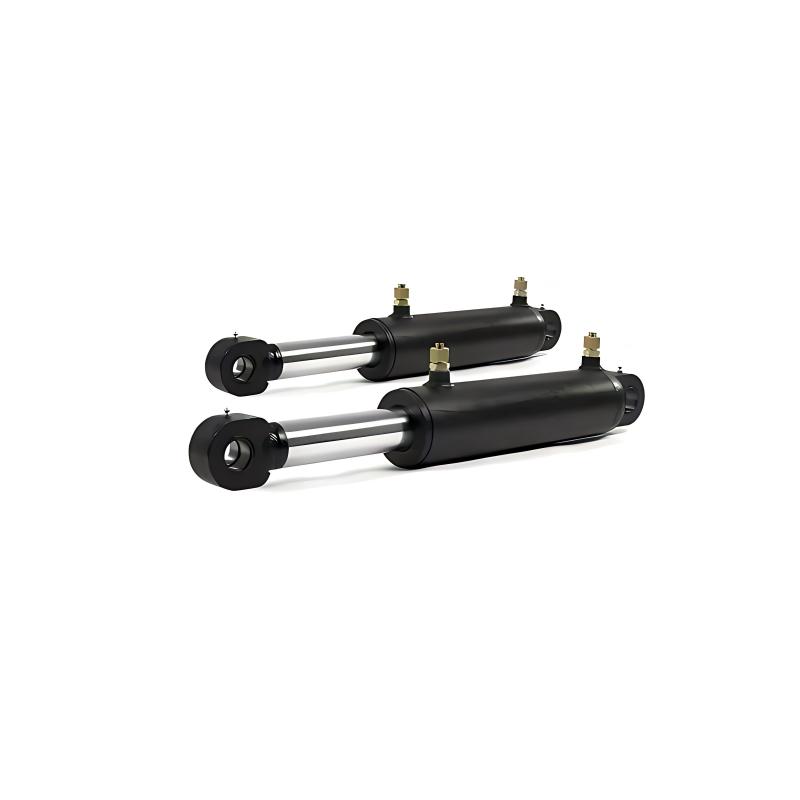
**Welding and assembly techniques for heavy-duty hydraulic cylinders include precision welding methods, thorough quality checks, and appropriate materials selection. Proper execution ensures reliability and longevity.**
MIG welding is popular for its speed and ease. It uses a wire that automatically feeds into the weld area. This technique is suitable for various metal types and thicknesses.
TIG welding offers high precision. It is ideal for thinner materials and provides excellent control of the heat input. This method creates stronger and cleaner welds.
Stick welding is versatile and cost-effective. It is practical for outdoor jobs or on dirty surfaces where other methods might fail. However, it requires more skill to achieve strong welds.
Different steel grades are used in hydraulic cylinder fabrication. Common options include:
| Steel Type | Known For |
|---|---|
| Carbon Steel | Good strength and weldability |
| Alloy Steel | Increased toughness and resistance |
| Stainless Steel | Corrosion resistance |
Coatings can enhance the life of hydraulic cylinders. Options include:
Proper alignment of components is critical. Misalignments can cause premature wear and failure. Use alignment tools to achieve precise fitting.
Effective sealing prevents leaks. Options include O-rings and seals designed for high-pressure environments. Carefully selecting materials is key to ensuring longevity.
Post-assembly inspections are necessary. Routine checks should include:
Welding and assembly techniques for heavy-duty hydraulic cylinders are vital for their performance and longevity. Proper methods ensure that customized hydraulic cylinders work efficiently under stress. Investing in quality materials and precise techniques will lead to stronger and more reliable hydraulic systems.
The most common methods are MIG, TIG, and stick welding.
Material selection affects the strength, durability, and overall performance of the hydraulic cylinder.
O-rings and specially designed high-pressure seals are often the best options.
Regular inspections, accurate alignment, and pressure testing are essential for quality control.
Commonly used steels include carbon steel, alloy steel, and stainless steel.
Coatings, like chrome plating or PVD, enhance surface smoothness, hardness, and corrosion resistance.


