Welocome to Contact Kican

Welocome to Contact Kican
Blog
Signs That Your Hydraulic Cylinder Needs Repair or Replacement
A Customized Hydraulic Cylinder can fail or wear out over time. This can lead to poor performance and potential safety hazards. If you notice signs like leaks, excessive noise, or slow operation, it\'s crucial to act quickly. Understanding the problem is the first step. Hydraulic cylinders play a vital role in various machines, powering everything from construction equipment to industrial machinery. Spotting problems early can save you from costly repairs or equipment downtime.
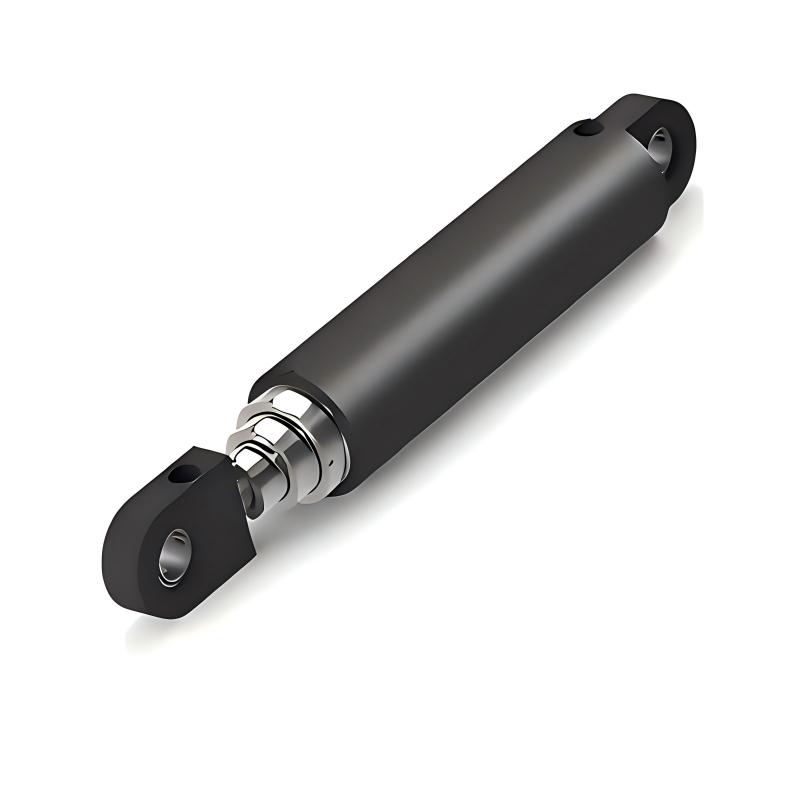
Signs that indicate your hydraulic cylinder needs repair or replacement include visible leaks, unusual noises, slow movement, and inconsistent pressure. Pay attention to these issues to maintain machine efficiency.
One of the most obvious signs of trouble is oil leaking from the cylinder. This can occur from seals or hoses that have worn out. If you see fluid pooling around your machine, it\'s time to investigate.
If your hydraulic cylinder is making banging or grinding noises, it is a red flag. These sounds may indicate that internal parts are damaged. Regular maintenance can help prevent these issues.
When hydraulic cylinders operate more slowly than normal, it can slow down your entire project. This decrease in speed could be due to air in the system or worn parts. Identifying the cause early can help maintain your workflow.
Inconsistent pressure can be a sign of a failing hydraulic cylinder. This instability can lead to equipment malfunction. It is important to monitor gauge readings continuously for optimal performance.
Hydraulic systems typically run cool to be effective. If your cylinder feels too hot to touch, it could mean that the system is under stress. Regular checks on fluid levels and quality can help manage temperature issues.
In conclusion, recognizing the signs that your hydraulic cylinder needs repair or replacement is crucial for maintaining efficiency and safety. Look for visible leaks, unusual noises, slow operation, inconsistent pressure, or excessive heat. Addressing these issues early can save time and money, ensuring your machinery runs smoothly.
Q: How often should I check my hydraulic cylinder for signs of wear?
A: It is best to inspect your hydraulic cylinder regularly, ideally during routine maintenance checks, to catch any problems early.
Q: Can I repair a hydraulic cylinder myself?
A: Minor repairs can often be done by experienced individuals. However, for significant issues, it is advisable to consult a professional.
Q: What is the average lifespan of a hydraulic cylinder?
A: The lifespan varies based on usage and maintenance but generally ranges from 5 to 10 years.
Q: How can I prevent my hydraulic cylinder from failing?
A: Regular maintenance, monitoring for leaks, and ensuring proper fluid levels can help extend the life of your hydraulic cylinder.
Q: What are the costs associated with hydraulic cylinder replacement?
A: Costs can vary widely based on the type and size of the cylinder but can range from a few hundred to several thousand dollars.
Q: What should I do if I find a leak?
A: If you notice a leak, stop using the equipment and inspect the cylinder. Consider seeking professional help if the issue is beyond your capability to fix.


