Welocome to Contact Kican

Welocome to Contact Kican
Blog
Material Selection for Custom Hydraulic Cylinder Components
Choosing the right material for custom hydraulic cylinder components can be challenging. This decision directly impacts the performance and durability of the hydraulic system. Using improper materials can lead to failures, increased costs, and safety hazards. It\'s crucial to understand various material properties such as strength, corrosion resistance, and fatigue limit. Each application has unique requirements. With a detailed approach, you can ensure optimal performance and longevity of your hydraulic cylinders.
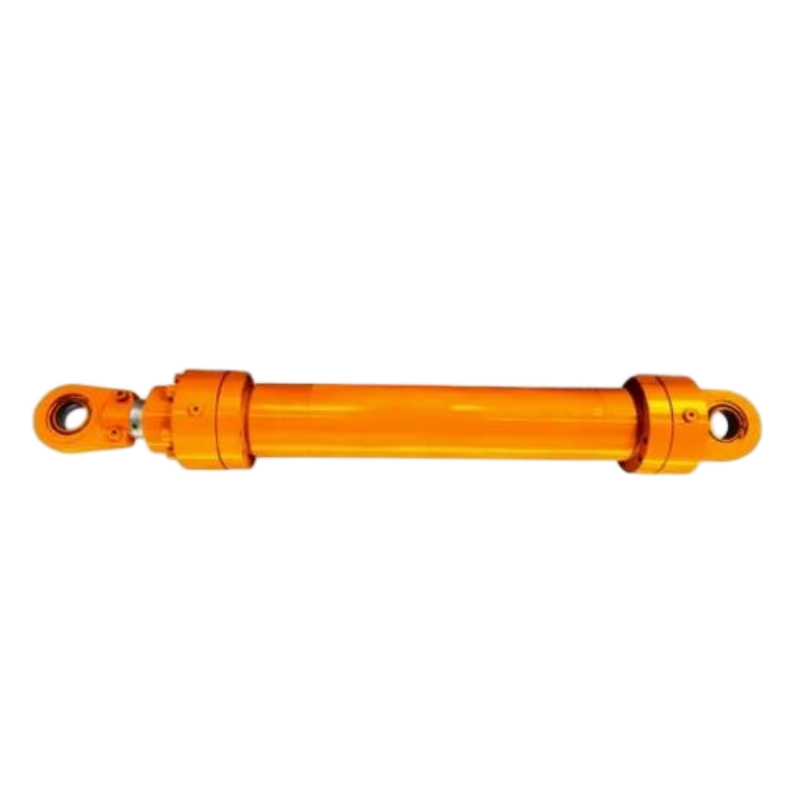
The selection of materials for custom hydraulic cylinder components depends on their application, required strength, and resistance to environmental factors. Stainless steel, aluminum alloys, and composites are common choices, each with specific advantages.
Stainless steel offers excellent corrosion resistance. It is often used in environments where water or chemicals are present. This material is ideal for heavy-duty applications due to its high strength.
Aluminum is lightweight and has decent strength. It is suitable for applications where reducing weight is crucial. Additionally, aluminum provides good resistance to corrosion.
Composites are increasingly popular due to their light weight and high strength-to-weight ratio. They are designed for specific applications and can significantly reduce the overall weight of the hydraulic system.
Corrosion can degrade the performance of hydraulic cylinders. Selecting materials with high corrosion resistance is essential, especially in harsh environments.
Materials must withstand high pressure and loads. The yield strength and tensile strength are key factors affecting the durability of hydraulic components.
In applications requiring mobility or where weight is a constraint, lighter materials like aluminum or composites are advantageous.
| Material Type | Corrosion Resistance | Weight | Cost |
|---|---|---|---|
| Stainless Steel | Excellent | Medium | High |
| Aluminum Alloys | Good | Low | Medium |
| Composite Materials | Good | Very Low | High |
In summary, selecting materials for custom hydraulic cylinder components is critical for ensuring functionality and reliability. Understanding the properties of materials like stainless steel, aluminum alloys, and composites helps in making informed choices. Focused assessment on factors such as corrosion resistance, strength, weight, and cost will lead to better hydraulic system performance. Proper material selection not only enhances efficiency but also extends the service life of the hydraulic cylinders.
1. What material is best for hydraulic cylinders? Stainless steel is often considered the best for its strength and durability.
2. How does weight affect hydraulic cylinder performance? Lighter materials can improve the mobility and flexibility of hydraulic systems.
3. Why is corrosion resistance important? Corrosion can weaken components and lead to failure, making it crucial to choose materials that resist corrosion.
4. Are composite materials a good choice? Yes, composites are light and strong, making them ideal for specific applications requiring reduced weight.
5. How do I choose the right material? Assess your specific application needs, including environmental factors, strength requirements, and budget.
6. Can I use multiple materials for one hydraulic cylinder? Yes, hybrid designs using different materials can be optimized for specific performance requirements.


