Welocome to Contact Kican

Welocome to Contact Kican
Blog
How to Maintain a Customized Hydraulic Cylinder
Maintaining a Customized Hydraulic Cylinder may seem daunting, but it’s essential for ensuring optimal performance and longevity in your operations. In this guide, I will provide clear, actionable steps to keep your custom hydraulic cylinder from KICAN in top condition. By following these steps, you’ll not only enhance operational efficiency but also prevent costly downtime and repairs.
To start, understanding the importance of regular maintenance is key. A customized hydraulic cylinder, with a precision up to 0.01mm, can significantly impact the efficiency of machinery. By committing to a structured maintenance routine, I guarantee you will see a marked improvement in performance and durability.
Regular Inspection: Begin each maintenance cycle with a detailed inspection of the hydraulic cylinder. Check for signs of wear or damage, including leaks, corrosion, and unusual noises during operation.
Fluid Quality Assessment: The hydraulic fluid should be clean and within the correct viscosity range as per ASTM D6158 standards. Contaminated fluid can lead to increased wear and tear. I recommend testing the fluid every three months.
Seal Integrity Check: Ensure that seals are functioning correctly to prevent leaks. Aim for a 100% inspection of seals as they are critical to maintaining pressure within the cylinder.
Clean the Cylinder: Use a clean, dry cloth to wipe down the cylinder tube and remove any dust or contaminants. This minimizes abrasive particles that can affect performance.
Lubrication: Apply suitable lubricants to the moving parts, adhering to manufacturer specifications. Good lubrication reduces friction and prolongs the lifespan of the hydraulic cylinder.
Performance Testing: After performing maintenance, conduct a performance test. Check pressure readings and ensure they align with operational standards to confirm that the cylinder is functioning correctly.
While following these steps can yield great results, there are potential challenges. For instance, you may encounter difficulty identifying the correct lubricant or cleaning product. To address this, I recommend consulting the TDS (Technical Data Sheet) from KICAN for guidance. Additionally, if you notice persistent leaks, do not hesitate to consult a professional technician, as further diagnostics might be required.
For your convenience, consider investing in maintenance tools such as:
In summary, maintaining your customized hydraulic cylinder is straightforward with these key steps:
By following this routine, you will not only enhance the longevity of your custom hydraulic cylinder but also mitigate the risk of mechanical failures that can disrupt your business operations. I encourage you to implement these steps and witness the benefits firsthand.
Keep in mind that proper maintenance is an investment in efficiency and reliability. Start today, and you’ll see how taking these actions for your KICAN hydraulic cylinder can lead to significant operational improvements. Don’t forget to keep this guide handy as a reference!
For further resources, check out KICAN’s official webpage, or access additional visuals and support tools through links like 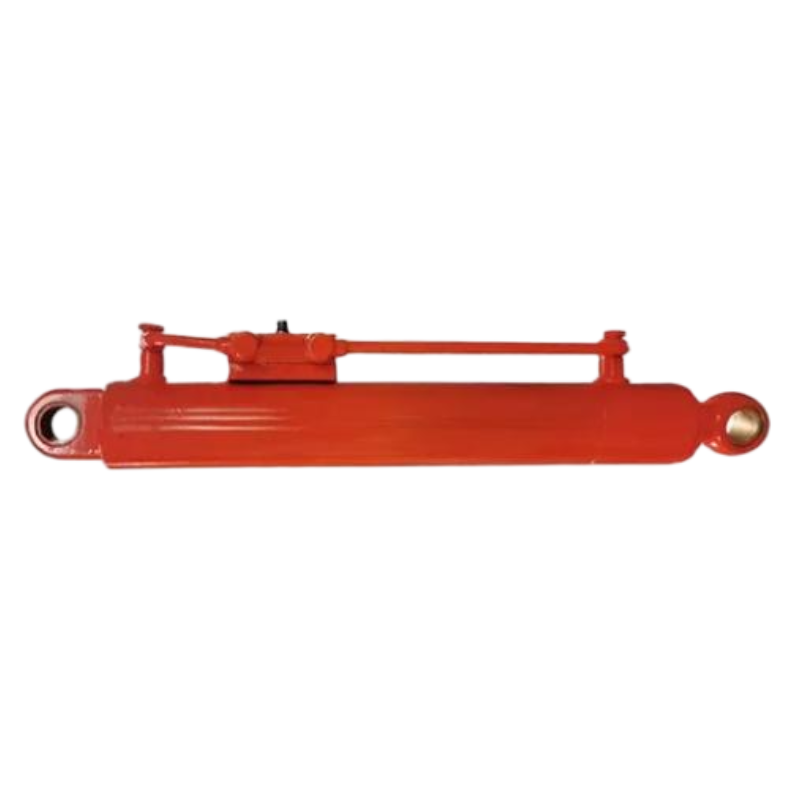 that can provide practical insights into your maintenance efforts.


