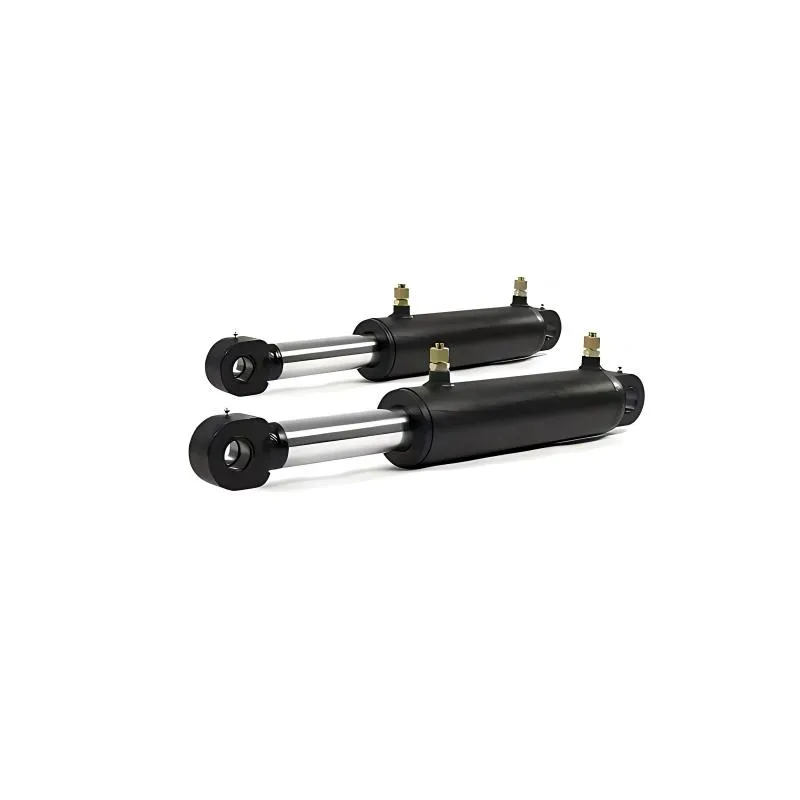
Achieving enhanced stability in long-stroke hydraulic cylinders is critical for operational efficiency and safety. In this article, I promise to provide you with clear, actionable steps that will significantly improve your hydraulic cylinder stability, ensuring smooth operations in various applications. Whether you're facing issues related to performance fluctuations or alignment challenges, the following methods will guide you through a practical, step-by-step approach to resolving these issues effectively.
Understanding the Common Stability Challenges
Before diving into solutions, it's crucial to identify the common stability issues faced by long-stroke hydraulic cylinders. These typically include:
- Cylindrical misalignment: Can lead to uneven wear and reduced lifespan.
- Hydraulic fluid incompatibility: Causing performance inconsistencies.
- Inadequate damping characteristics: Resulting in excessive vibrations.
Knowing these pitfalls helps you address them proactively.
Step-by-Step Strategies for Enhancing Stability
1. Regular Maintenance and Inspection
Regular maintenance is foundational for ensuring the stability of long-stroke hydraulic cylinders. I recommend setting a maintenance schedule adhering to specifications provided by KICAN and other industry standards like ASTM and DIN.
Action Steps:
- Schedule quarterly inspections with a focus on seals, ports, and hoses.
- Implement a 100% inspection policy for components showing signs of wear.
- Utilize precision measurement tools capable of 0.01mm accuracy to ensure alignment.
2. Upgrade to Customized Hydraulic Cylinders
Investing in Custom Hydraulic Cylinders from KICAN can dramatically enhance stability. These cylinders are tailored to your specific application requirements, ensuring optimal performance.
Action Steps:
- Evaluate your existing hydraulic systems and identify areas where customized solutions can be integrated.
- Work with KICAN to design cylinders that meet your operational demands, considering factors like stroke length and load capacity.
3. Optimize Hydraulic Fluid Quality
The type of hydraulic fluid used can greatly influence the performance stability of long-stroke hydraulic cylinders. Using fluids that meet specific performance criteria is non-negotiable.
Action Steps:
- Choose hydraulic fluids that comply with international standards and are compatible with your cylinder materials.
- Conduct periodic tests on hydraulic fluid viscosity and contamination levels to ensure their integrity.
4. Implement Enhanced Control Systems
Advanced control systems allow for more precise monitoring and management of hydraulic cylinders. By using state-of-the-art technology, stability can be significantly improved.
Action Steps:
- Incorporate sensors and monitoring devices that can alert you to deviations in performance.
- Consider integrating programmable logic controllers (PLCs) that can manage fluid flow automatically based on real-time performance data.
5. Train Your Staff
Training is essential for the successful implementation of these strategies. A well-trained team can effectively manage maintenance, troubleshooting, and system optimization.
Action Steps:
- Conduct training sessions focused on proper hydraulic cylinder operation and maintenance protocols.
- Share best practices and case studies of successful implementations of customized hydraulic solutions.
Overcoming Potential Challenges
While implementing these strategies, you may encounter challenges such as resource limitations, resistance to change, or insufficient technical knowledge among staff. Here’s how to tackle these:
- Resource Limitations: Seek partnerships with suppliers like KICAN that offer competitive pricing for bulk purchases of customized cylinders.
- Resistance to Change: Foster a culture of continuous improvement through employee engagement and presenting data-driven outcomes of previous successful upgrades.
- Technical Knowledge Gaps: Leverage external training resources or online courses about hydraulic systems and their maintenance from reputable organizations.
Tools and Resources for Enhanced Execution
To further streamline the implementation of these strategies, consider using these tools:
- Precision Measuring Instruments: Such as calipers and micrometers for accurate assessments.
- Fluid Analysis Kits: To monitor hydraulic fluid quality regularly.
- Control System Software: Modern PLCs and monitoring solutions can help optimize performance.
A Recap for Immediate Action
Improving the stability of long-stroke hydraulic cylinders is achievable when you follow these key steps:
- Conduct Regular Maintenance using precision tools.
- Upgrade to Custom Hydraulic Cylinders designed by KICAN.
- Optimize Your Hydraulic Fluid to meet industry standards.
- Implement Control Systems for better performance management.
- Invest in Staff Training to maintain high operational standards.
Taking action now not only enhances the stability of your hydraulic systems but also leads to increased productivity and safety in your operations. Visit our website at KICAN for more resources and customized solutions tailored to your specific needs. Let’s ensure your hydraulic systems operate at their best!