Welocome to Contact Kican

Welocome to Contact Kican
Blog
How to Choose a Customized Hydraulic Cylinder for Your Equipment
Hydraulic cylinders are essential components in many types of industrial and mobile machinery. They convert hydraulic energy into powerful linear motion, enabling equipment to lift, push, pull, and move heavy loads efficiently. In industries such as construction, agriculture, mining, and manufacturing, standard cylinders do not always meet specific operational requirements. For this reason, many equipment manufacturers and system integrators prefer customized hydraulic cylinders designed according to their application conditions.
Choosing the right customized hydraulic cylinder requires careful consideration of several technical factors, including working pressure, load capacity, stroke length, mounting configuration, and environmental conditions. A properly designed cylinder can significantly improve equipment performance, reliability, and service life.
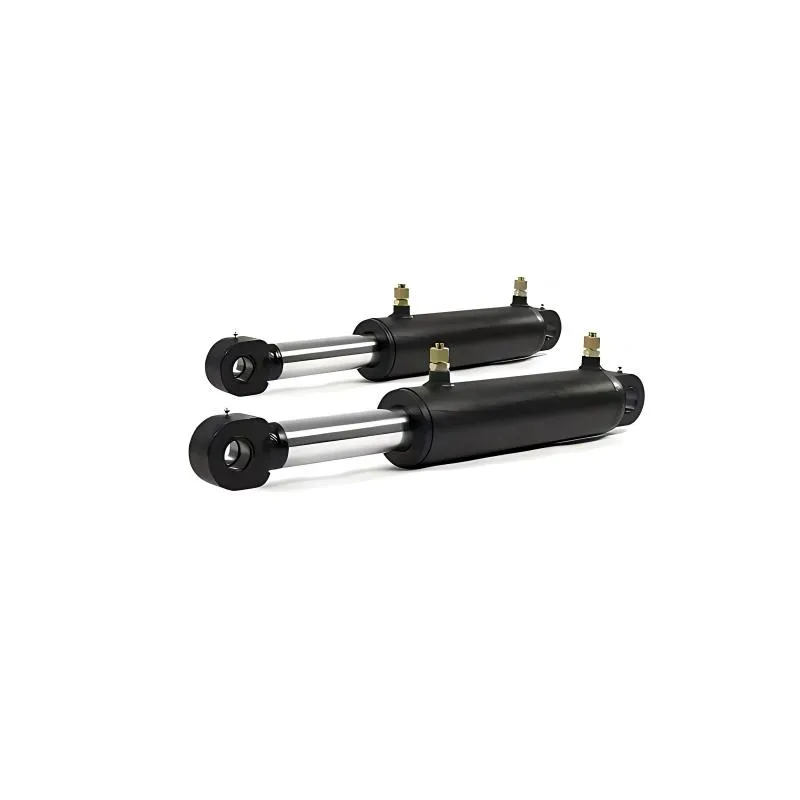
The first step in selecting a customized hydraulic cylinder is to clearly understand the equipment’s operating conditions and functional requirements. Different machines require different cylinder specifications depending on how the cylinder is used in the system.
For example, construction equipment such as excavators and loaders typically require cylinders capable of handling heavy loads and high pressure. Agricultural machinery often requires cylinders that can operate reliably in dusty or muddy environments. Industrial automation equipment may require high precision and smooth movement.
Key factors to evaluate include:
Type of equipment and working mechanism
Maximum load the cylinder needs to handle
Required pushing or pulling force
Frequency of operation and duty cycle
Environmental conditions such as dust, moisture, or corrosion
Understanding these factors helps determine the appropriate cylinder structure and material configuration.
The bore size of a hydraulic cylinder directly affects the force it can generate. A larger bore diameter produces greater output force under the same hydraulic pressure. Therefore, selecting the correct bore size is essential for ensuring that the cylinder can handle the required load.
Stroke length refers to the distance the piston travels inside the cylinder. This parameter depends on the movement range required by the equipment. If the stroke is too short, the equipment may not achieve the required motion. If it is too long, it can increase the size and cost of the cylinder unnecessarily.
During the design process, engineers typically calculate the required bore diameter and stroke based on load capacity, system pressure, and mechanical motion requirements.
Hydraulic cylinders must be designed to match the pressure range of the hydraulic system in which they operate. Common industrial hydraulic systems operate within pressure ranges from 16 MPa to 35 MPa, though specific applications may vary.
A customized hydraulic cylinder must be designed to withstand both the maximum working pressure and possible pressure spikes within the hydraulic system. The cylinder tube, piston rod, seals, and end caps must all be selected according to the pressure rating to ensure safe and stable operation.
In addition, compatibility with existing hydraulic components such as pumps, valves, and pipelines is also important to ensure smooth system integration.
Hydraulic cylinders are installed on equipment using different mounting configurations depending on the mechanical design. Choosing the correct mounting type is essential for maintaining proper alignment and reducing stress on the cylinder components.
Common mounting styles include:
Flange mounting
Clevis mounting
Trunnion mounting
Foot mounting
Pin mounting
Each mounting type has different advantages depending on the direction of load and movement. For example, clevis mounts are often used for applications requiring pivot movement, while flange mounts provide strong support for fixed installations.
Selecting the proper mounting style helps prevent uneven load distribution and extends the service life of the cylinder.
The durability of a hydraulic cylinder depends greatly on the materials used for its main components. High-strength steel is commonly used for cylinder tubes and piston rods to ensure high load capacity and resistance to deformation.
Surface treatment processes such as chrome plating on piston rods improve wear resistance and corrosion protection. In demanding environments, additional coatings or stainless steel components may be required.
The sealing system is another critical factor. High-quality seals prevent hydraulic oil leakage, reduce friction, and maintain stable pressure within the cylinder. Selecting seals that match the operating temperature, pressure, and working medium ensures reliable long-term performance.
One of the major advantages of customized hydraulic cylinders is the ability to tailor the design according to specific equipment requirements. Manufacturers can adjust many parameters to match different mechanical systems and working conditions.
Typical customization options include:
Cylinder bore and stroke length
Rod diameter and material
Mounting configurations
Operating pressure ratings
Special coatings or corrosion protection
Integrated sensors or position monitoring
By working closely with a professional hydraulic cylinder manufacturer, equipment designers can develop cylinders that match their machinery precisely, improving efficiency and operational stability.
Long-term reliability is a key consideration when selecting a customized hydraulic cylinder. Equipment operating in heavy-duty industries often works continuously under high loads, making durability extremely important.
Design features that improve service life include:
High-strength cylinder tubes
Precision machining and welding
Advanced sealing systems
Corrosion-resistant surface treatments
Proper maintenance practices, such as regular inspection of seals, lubrication of moving parts, and monitoring hydraulic fluid cleanliness, also help extend the lifespan of hydraulic cylinders.
Selecting an experienced manufacturer is just as important as choosing the right cylinder specifications. Professional manufacturers typically provide engineering support during the design stage, helping customers determine the optimal cylinder configuration based on application requirements.
They can also provide technical drawings, testing services, and quality control processes to ensure that each customized hydraulic cylinder meets strict performance standards.
A reliable manufacturer can supply cylinders for a wide range of industries, including construction machinery, mining equipment, agricultural machinery, marine systems, and industrial automation.
Choosing the right customized hydraulic cylinder requires careful evaluation of equipment requirements, load capacity, working pressure, stroke length, mounting configuration, and material quality. A well-designed cylinder improves machine efficiency, ensures operational stability, and reduces long-term maintenance costs.
By partnering with a professional manufacturer capable of providing customized hydraulic solutions, equipment manufacturers and system designers can obtain hydraulic cylinders that meet their exact performance requirements and support the reliable operation of their machinery.


