Welocome to Contact Kican

Welocome to Contact Kican
Blog
Design Process of a Customized Hydraulic Cylinder
When it comes to manufacturing Customized Hydraulic Cylinders, navigating through the design process can be complex. Buyers want to ensure that every aspect meets their specific needs, from technical specifications to performance expectations. In this article, we delve into the critical steps of customizing hydraulic cylinders, addressing industry pain points such as compatibility, efficiency, and durability while providing data-driven insights to assist clients in making informed decisions.
The first step in the design process is to define precise requirements. This includes understanding the application\'s environment, load conditions, and frequency of operation.
Once the requirements are clearly defined, the initial design phase begins. Engineers will create prototypes based on gathered specifications and industry standards.
After prototyping, feedback is essential. Refining the design involves collaboration between engineers, clients, and manufacturers.
The final designs must be thoroughly documented, including specifications, diagrams, and workflows.
Production planning includes strategizing the manufacturing process, materials acquisition, and timeline establishment.
Manufacturing is executed with strict adherence to quality assurance protocols to guarantee optimal product performance.
Once the hydraulic cylinders are manufactured and tested, delivery is coordinated with the buyer, followed by gathering feedback.
Understanding the design process of customized hydraulic cylinders not only assists manufacturers in meeting client expectations but also helps buyers make informed decisions. By meticulously following each step—from requirements definition to final delivery and aftercare—companies like KICAN can ensure superior product performance and customer satisfaction.
| Aspect | Standard Hydraulic Cylinder | Customized Hydraulic Cylinder |
|---|---|---|
| Design Flexibility | Limited options | Fully tailored to requirements |
| Performance Optimization | General purpose | Specifically optimized for application |
| Material Selection | Standard materials only | Can choose advanced materials |
| Cost | Lower initial cost | Higher due to customization |
Below is a visual representation of the design process for customized hydraulic cylinders:
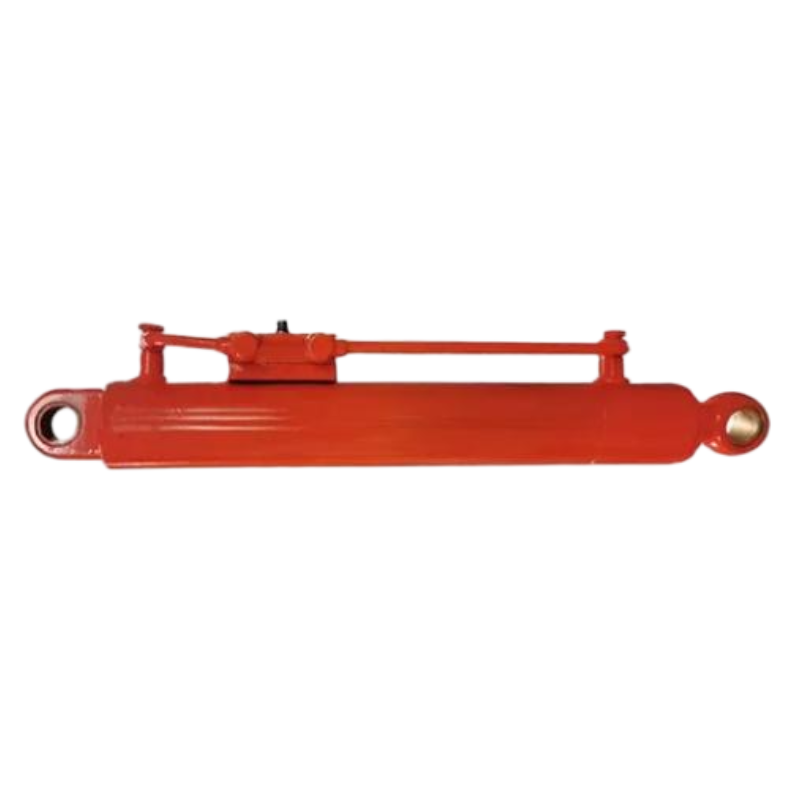
This structured approach ensures that every demand is addressed, and high standards are maintained. By adopting a comprehensive design process, manufacturers can effectively meet customer expectations in producing customized hydraulic cylinders.


