Welocome to Contact Kican

Welocome to Contact Kican
Blog
Design Process of a Customized Hydraulic Cylinder
Hydraulic cylinders are widely used in industrial machinery to provide controlled linear motion and powerful force output. While standard cylinders are suitable for many general applications, many industries require customized hydraulic cylinders designed to match specific equipment structures, load requirements, and operating environments.
The design process of a customized hydraulic cylinder involves multiple engineering stages, including requirement analysis, technical calculations, structural design, material selection, and testing. A systematic design process ensures that the final cylinder delivers reliable performance, durability, and precise compatibility with the equipment it serves.
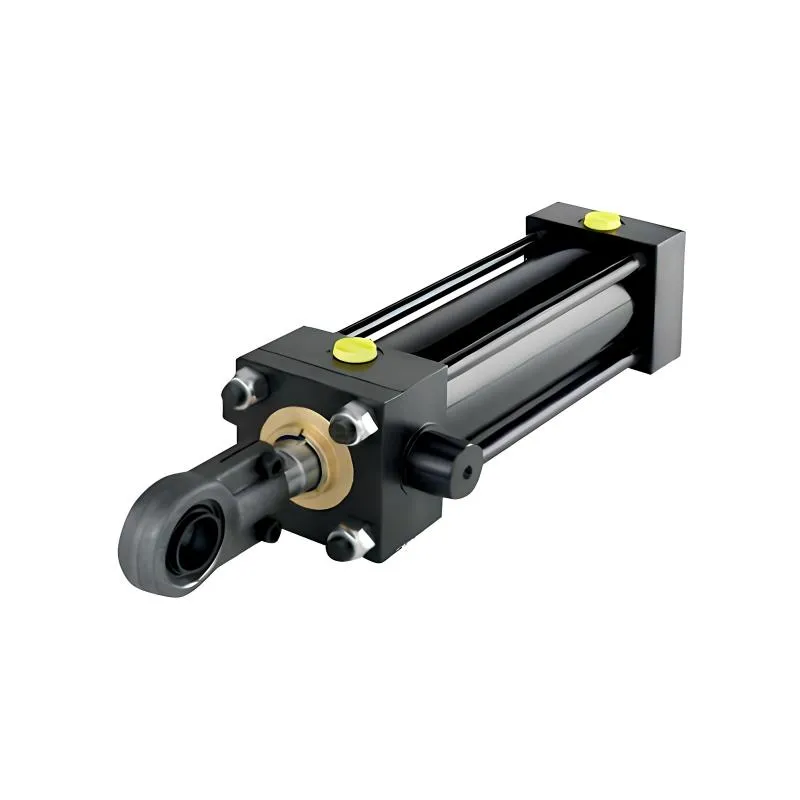
The first step in designing a customized hydraulic cylinder is to thoroughly analyze the application requirements. Engineers must understand how the cylinder will function within the equipment and what operational conditions it will face.
Key factors considered at this stage include:
Type of equipment and its working mechanism
Required pushing or pulling force
Motion range and stroke length
Installation space and mounting structure
Operating pressure of the hydraulic system
Environmental conditions such as dust, moisture, or corrosion
By clearly defining these parameters, engineers can determine the fundamental specifications of the hydraulic cylinder.
After gathering application data, engineers calculate the required output force of the hydraulic cylinder. This calculation is based on the load that the equipment must move or support.
The force generated by a hydraulic cylinder depends on the system pressure and the piston area inside the cylinder bore. Engineers use these values to determine the appropriate bore diameter needed to achieve the desired force output.
Load calculations must also consider dynamic factors such as acceleration, shock loads, and safety margins to ensure the cylinder operates safely under real working conditions.
Once the required force is known, engineers determine the main structural parameters of the cylinder. These include the bore diameter, stroke length, and piston rod diameter.
The bore size determines the cylinder’s force output. A larger bore provides greater pushing force under the same pressure conditions.
The stroke length defines the distance the piston travels within the cylinder. This parameter must match the motion range required by the equipment.
The piston rod diameter must be large enough to withstand the mechanical loads without bending or buckling. For cylinders with long strokes or heavy loads, stronger rods are necessary to maintain stability.
Balancing these dimensions ensures that the cylinder provides adequate strength while maintaining efficient operation.
The structural design stage focuses on how the hydraulic cylinder will integrate with the mechanical system of the equipment. Engineers determine the appropriate mounting configuration based on the direction of loads and movement requirements.
Common mounting types include:
Flange mounting
Clevis mounting
Trunnion mounting
Foot mounting
Pin mounting
The mounting design must allow proper alignment between the cylinder and the equipment components. Incorrect alignment can create side loads that accelerate wear and reduce cylinder lifespan.
During this stage, engineers also design other structural components such as cylinder end caps, piston structures, and guide mechanisms.
Material selection is critical for ensuring the durability and reliability of a customized hydraulic cylinder. Different components require materials with specific strength and wear resistance properties.
Cylinder tubes are usually manufactured from high-strength steel capable of withstanding internal hydraulic pressure. Piston rods are typically made from hardened steel and often feature chrome plating to improve wear resistance and corrosion protection.
Depending on the application environment, additional surface treatments may be applied to improve resistance to moisture, chemicals, or abrasive conditions.
Selecting the correct materials helps extend the service life of the hydraulic cylinder and maintain consistent performance over time.
The sealing system is another essential aspect of hydraulic cylinder design. High-quality seals prevent hydraulic oil leakage, maintain pressure stability, and reduce friction between moving components.
The seal design must match the operating conditions of the hydraulic system, including pressure levels, temperature ranges, and the type of hydraulic fluid used.
Common sealing elements include piston seals, rod seals, wipers, and guide rings. Proper seal selection ensures smooth operation while protecting the internal components of the cylinder from contamination.
After the design is finalized, the hydraulic cylinder enters the manufacturing stage. Precision machining is required to produce components that meet strict dimensional tolerances.
Key manufacturing processes include:
Cylinder tube machining and honing
Piston rod turning and chrome plating
Welding of structural components
Assembly of internal parts and seals
Surface finishing and quality inspection
High manufacturing precision ensures that the piston moves smoothly within the cylinder and that the seals maintain effective pressure containment.
Before delivery, customized hydraulic cylinders typically undergo rigorous testing to verify performance and safety. Testing procedures may include pressure testing, leakage testing, and operational simulation.
These tests confirm that the cylinder can withstand its rated pressure and operate reliably under simulated working conditions. Quality control inspections also ensure that all components meet the specified engineering standards.
Testing helps prevent potential failures and ensures that the hydraulic cylinder meets the performance expectations of the customer.
Designing a customized hydraulic cylinder often involves close cooperation between the cylinder manufacturer and the equipment manufacturer. Engineers from both sides work together to optimize the cylinder design according to the machine’s structural layout and functional requirements.
This collaborative approach helps ensure that the cylinder integrates seamlessly into the equipment and performs efficiently within the hydraulic system.
The design process of a customized hydraulic cylinder involves multiple technical steps, from analyzing application requirements and calculating load capacity to selecting materials, designing sealing systems, and performing manufacturing and testing.
A well-structured design process ensures that the hydraulic cylinder delivers reliable force output, smooth motion, and long service life under demanding industrial conditions. By working with experienced hydraulic cylinder manufacturers, equipment designers can obtain customized solutions that match their machinery precisely and support efficient operation across a wide range of industrial applications.


